
Secure Cloud for Autonomous AI Employees
Build, run and govern trusted AI employees that work the way your best people do. HumBot turns your experts’ know-how into Bots that execute delegated work within the boundaries your business sets.
Any model. Any agent runtime. Any cloud.
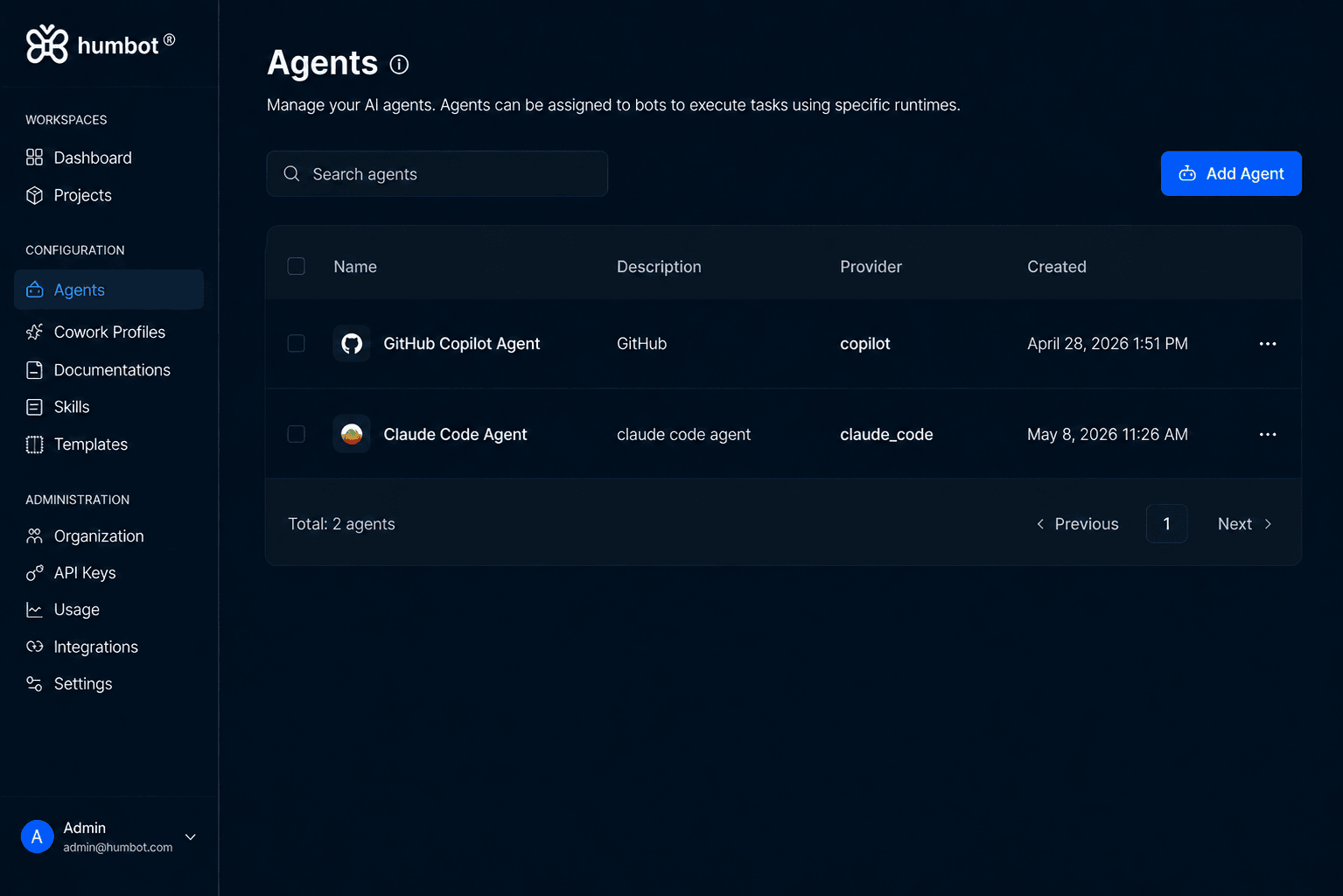
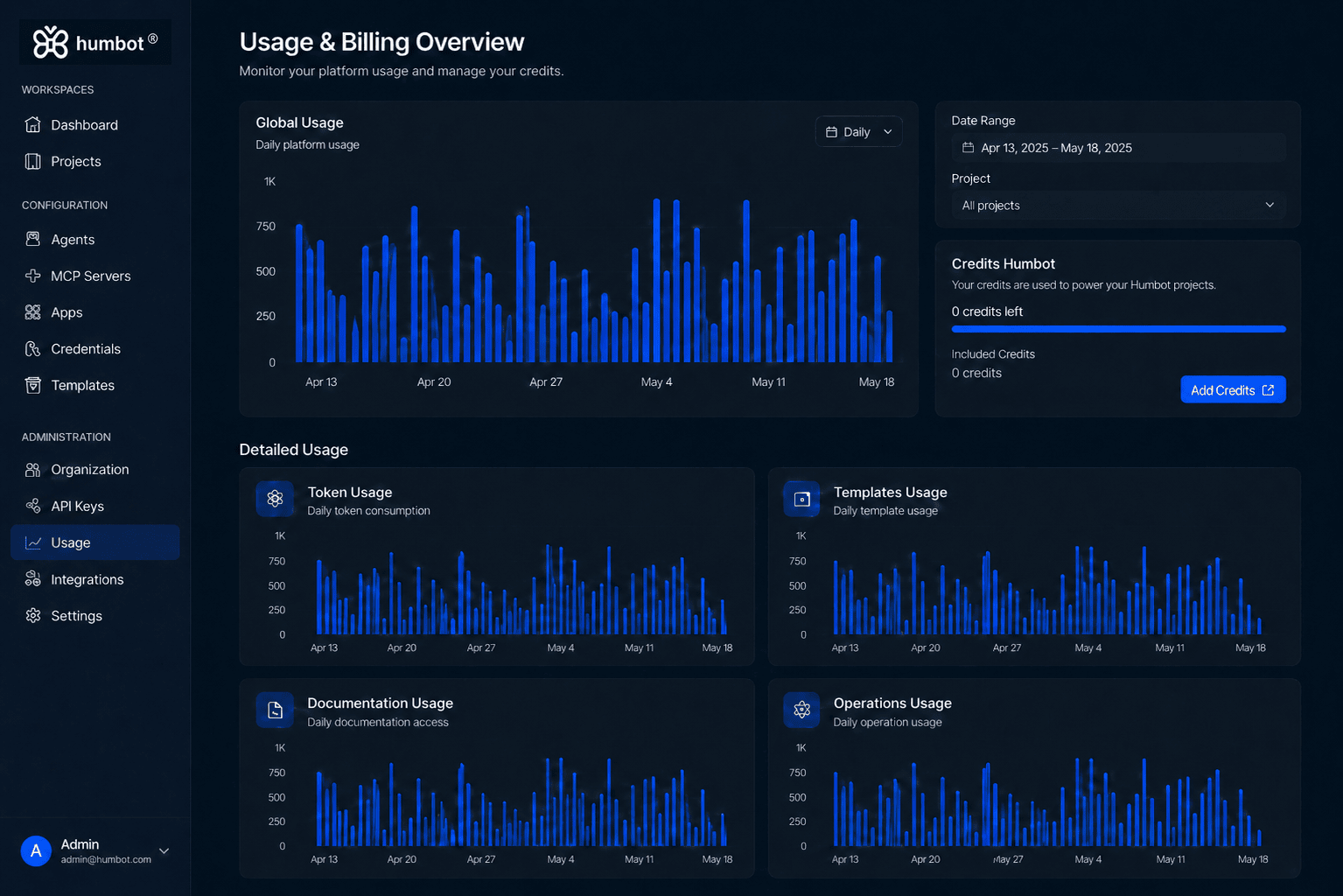
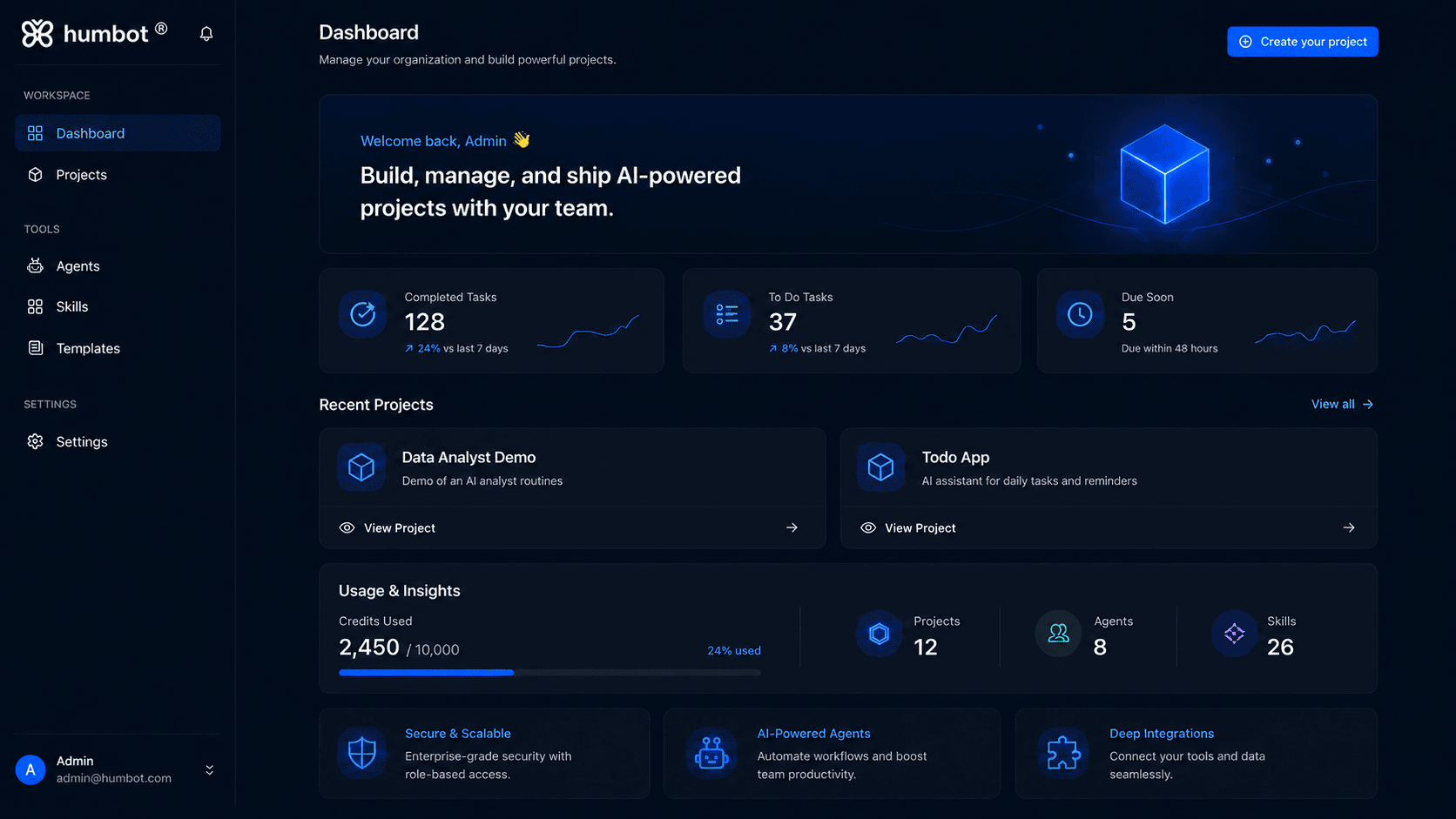
An Agent Is an AI Engine. A Bot Is an AI Employee.
Agents need more than model intelligence to take on enterprise work. They need business context, clear permissions and assurance. HumBot brings these together to turn agents into trusted AI employees.
Your expertise, ready for execution
The Trust Layer for Enterprise AI Work
HumBot connects the tools your people use with the agents and models that execute their work — with permissions, assurance and auditability built in.
Capture expertise in Bot Studio. Set permissions, test versions before go-live, review activity and roll back when needed.
Example requests: I need a bot to run our month-end accounting close. I need a bot to manage our cloud infrastructure. I need a bot to flag duplicate payments for Finance review. I need a bot to reconcile payments across banks and providers. I need a bot to answer team questions in Slack. I need a bot to cut cloud costs and flag idle resources. I need a bot to review pull requests before release. I need a bot to send the weekly delivery status report.
Secure execution. Built-in assurance. Business control.


Trusted Bots. Real Enterprise Work.
HumBot Bots are deployed across enterprise and public-sector workflows — applying expert knowledge to engineering, reconciliation, cloud operations and knowledge access.
TRUSTED FOR ENTERPRISE AND PUBLIC‑SECTOR WORK


Put Your Expertise to Work Through Trusted Bots
Bring a workflow your team knows well. See how HumBot turns it into a scoped, permissioned and auditable AI employee.
AI Employees Doing Real Work
Explore how expert knowledge becomes governed execution across public-sector, data and operational workflows.
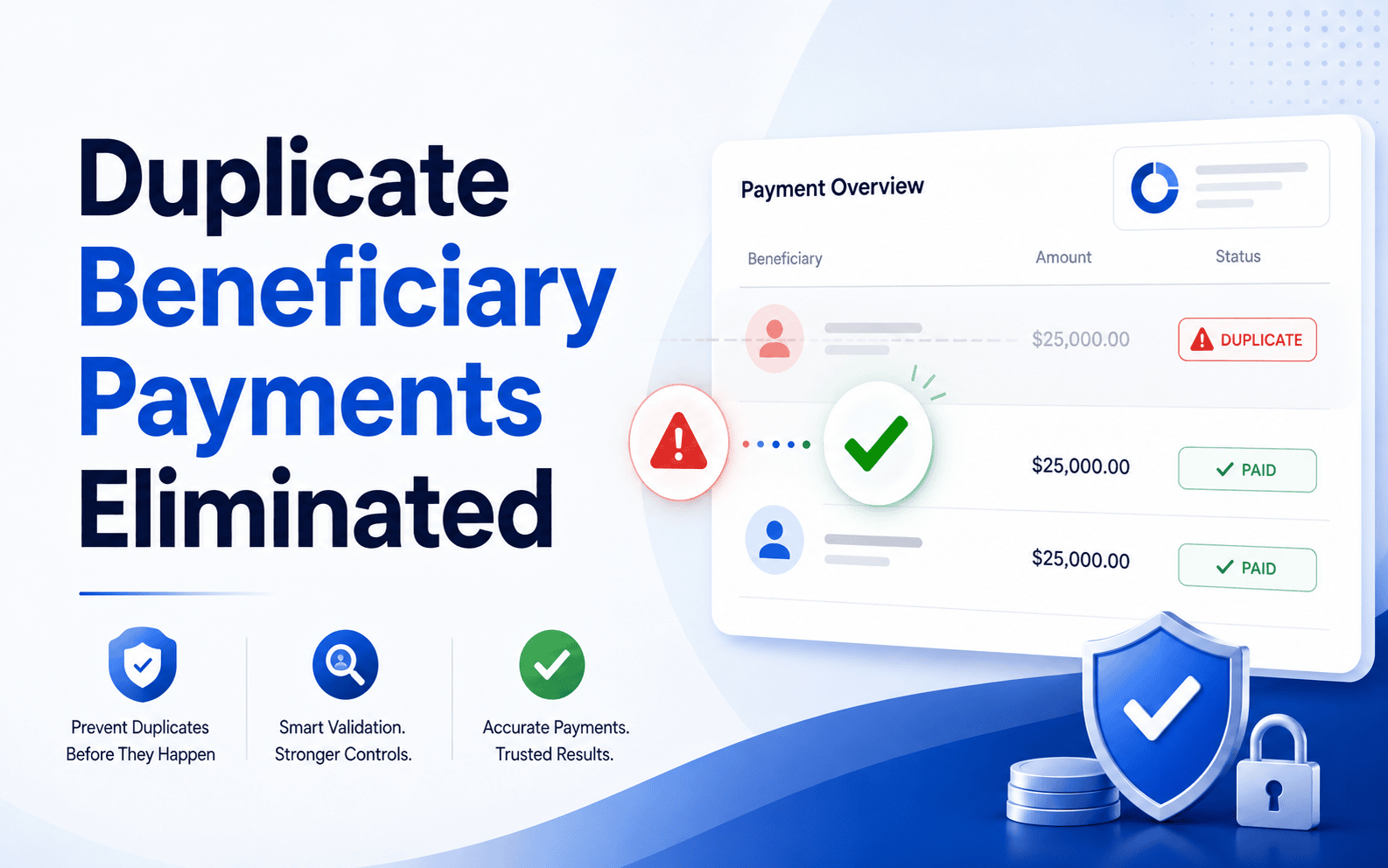
Public Sector
Duplicate Payment Detection

Data & AI Platform
Entity Resolution
Technology Sector
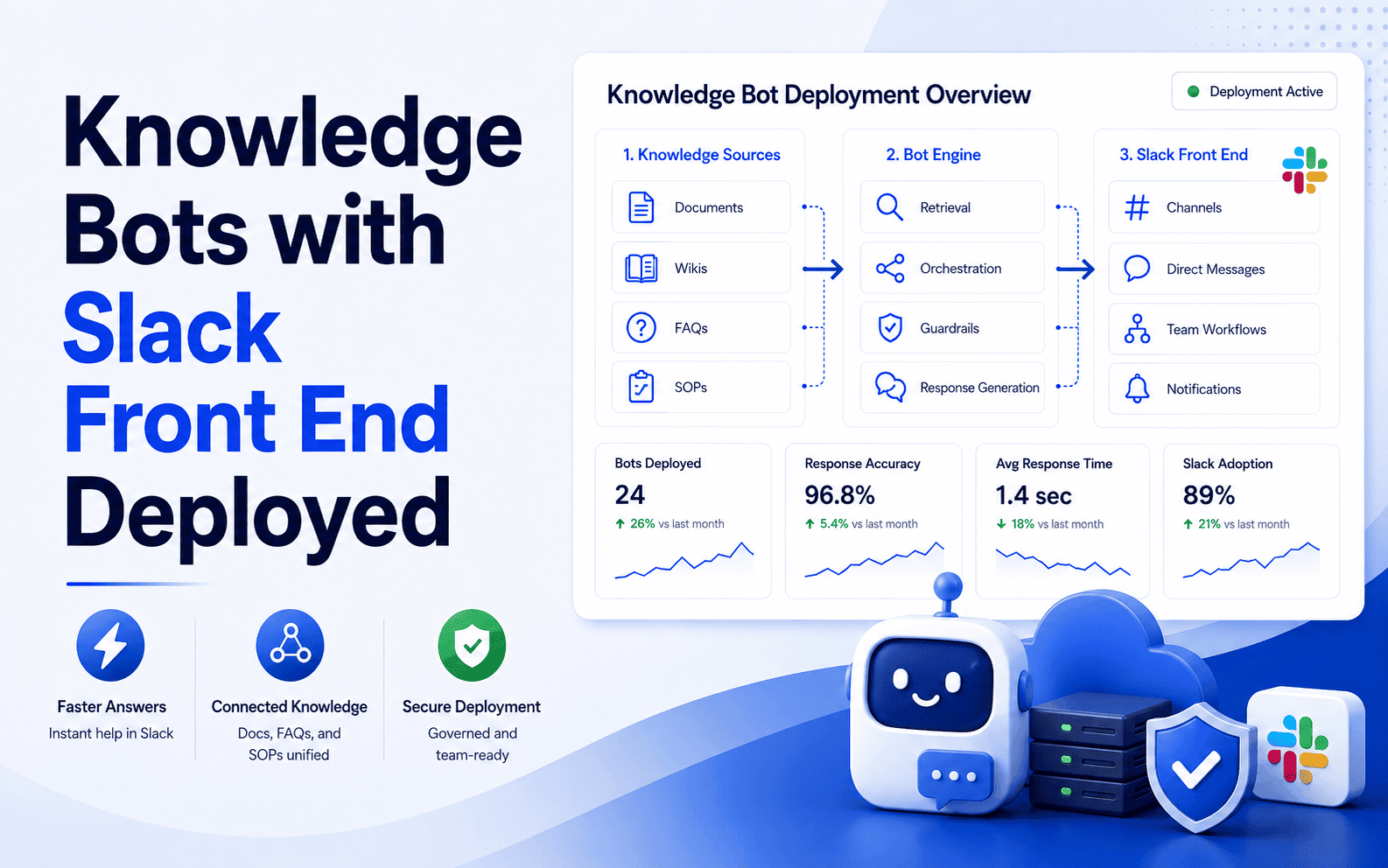
Knowledge Bots in Slack

Financial Operations
Payment Reconciliation
Frequently Asked Questions
Trust Is Built Into Every Bot
Enterprise AI needs clear boundaries and evidence of control. HumBot combines permissioned access, a sandbox that holds no secrets, tested versions and an audit trail for every run.
Permissioned execution
Define what Bots can access and do, within the requesting user’s permissions.
Tested and versioned
Evaluate Bots before go-live, preserve versions and roll back when needed.
Auditable activity
Review each run’s activity, model usage and token consumption.